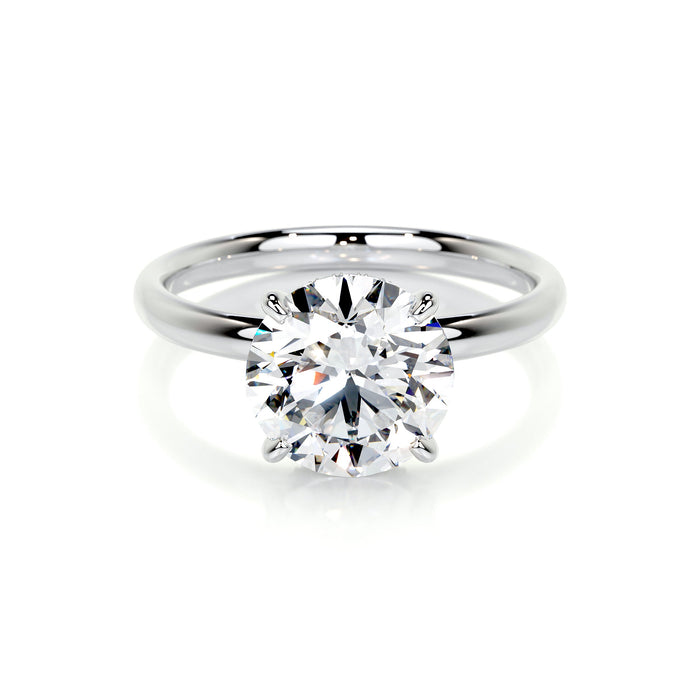

The diamond industry has changed dramatically in recent years. Lab made diamonds now offer a real choice for people who want beautiful gemstones without the traditional mining process. These man made diamonds share the same physical and chemical properties as natural diamonds. They are not fake or imitation stones. They are real diamonds grown in controlled environments using advanced technology. For Spanish consumers looking for ethical and affordable alternatives, diamante cvd represents one of the most popular options in this growing market.
What Are Lab Made Diamonds?
Lab made diamonds are created using two primary methods. The first is High Pressure High Temperature (HPHT) which mimics the natural conditions deep within the earth. The second is Chemical Vapor Deposition (CVD) which grows diamonds in a chamber filled with carbon-rich gas. Both processes produce identical results. The only difference is the origin.
The CVD method has become increasingly common because it offers more control over the growing process. A thin slice of diamond called a seed is placed inside a sealed chamber. The chamber is heated to around 800 degrees Celsius. Carbon gases are introduced and break down into plasma. Carbon atoms then attach to the seed and slowly build up layer by layer. This process creates a diamante cvd that is chemically identical to a mined diamond.
The Science Behind CVD Growth
Understanding how CVD works helps explain why these diamonds are real. The carbon atoms arrange themselves in the exact same crystal structure found in natural diamonds. This structure gives diamonds their legendary hardness. It also creates their brilliant sparkle. The growth process takes several weeks to produce a gem-quality stone. During this time technicians monitor conditions carefully to ensure quality.
How Lab Diamonds Compare to Mined Diamonds
Many people wonder if lab diamonds are different from natural ones. The answer is no. They have the same hardness rating of 10 on the Mohs scale. They refract light in the same way. They display the same fire and brilliance. Even expert gemologists cannot tell them apart without specialized equipment. The difference lies solely in their origin and price.
Quality and Grading Standards
Lab made diamonds receive the same grading from independent laboratories. Organizations like the Gemological Institute of America (GIA) and the International Gemological Institute (IGI) evaluate them using the same 4Cs criteria. These criteria include cut, color, clarity, and carat weight. A lab diamond with excellent grades will look identical to a natural diamond with the same ratings.
Price Differences Explained
Cost represents the most obvious difference between lab and mined diamonds. Lab grown stones typically cost 30 to 50 percent less than their natural counterparts. This price difference exists because the supply chain is shorter and more efficient. Mining operations require massive resources, labor, and time. Lab production eliminates these costs. Spanish buyers can get a larger or higher quality stone for the same budget when choosing a diamante cvd.
Environmental Impact of Lab Diamonds
The environmental footprint of diamond mining has raised concerns worldwide. Traditional mining disturbs large areas of land. It uses significant amounts of water and energy. It also produces waste materials that can affect local ecosystems. Lab grown diamonds offer a more sustainable alternative.
Reduced Land Disruption
A single carat of mined diamond requires moving approximately 250 tons of earth. Lab production uses far less land. The growing facilities occupy a fraction of the space. This reduces habitat destruction and soil erosion. The controlled environment also means no displacement of wildlife or local communities.
Energy and Water Usage
Critics point out that lab diamond production still requires energy. However, many manufacturers now use renewable energy sources to power their facilities. The water usage is also significantly lower compared to mining operations. Some companies have achieved certification for their sustainable practices. Spanish consumers who care about environmental issues find these factors increasingly important.
Ethical Considerations
Conflict diamonds have been a serious concern in the jewelry industry for decades. These stones come from war zones where they fund violence and human rights abuses. The Kimberley Process was established to address this problem but has limitations. Lab grown diamonds provide a clear ethical solution.
Worker Safety and Rights
Mining work remains dangerous in many parts of the world. Accidents happen despite safety regulations. Child labor and unfair wages still occur in some regions. Lab production facilities follow standard workplace safety rules. Workers operate in clean environments with proper protections. This ensures better working conditions for everyone involved.
Transparency and Traceability
Every lab diamond has a known origin. The production process is documented from start to finish. This traceability gives buyers peace of mind. They know exactly where their stone came from and how it was made. Spanish jewelers increasingly emphasize this transparency when helping customers choose a diamante cvd.
Choosing the Right Lab Diamond
Making a good choice requires understanding what you want. Consider the 4Cs carefully. Think about the shape you prefer. Round brilliant cuts remain the most popular. But other shapes like princess, emerald, and oval offer different looks. Set a budget before you start shopping. Then look at what your budget can buy in both lab and mined options.
Finding a Reputable Seller
Not all sellers offer the same quality or service. Look for jewelers who provide certification from recognized laboratories. Ask about the return policy and guarantees. Check customer reviews from other buyers. Good sellers answer questions honestly. They do not pressure customers into quick decisions. Spanish buyers should look for jewelers who specialize in lab grown stones. These professionals understand the technology and can explain it clearly.
Maintenance and Longevity
Lab diamonds require the same care as natural ones. They can be cleaned with mild soap and warm water. A soft brush removes dirt from behind the stone. Professional cleaning services can restore brilliance. Lab diamonds are not fragile or temporary. They will last a lifetime and beyond. They can be passed down as family heirlooms.
The Growing Market in Spain
Spanish consumers have embraced lab grown diamonds in recent years. The market has expanded significantly. More jewelers now offer these stones as standard inventory. Young buyers particularly appreciate the ethical and environmental benefits. They also like getting better value for their money. Spanish jewelry designers use lab diamonds in unique settings. These creations combine modern ethics with traditional Spanish artistry.
Future Trends
The technology continues to improve. Production costs are falling. Quality is rising consistently. Larger stones are becoming more common and more affordable. The gap between lab and mined diamonds may continue to widen in favor of lab options. More consumers will likely choose lab grown stones as awareness grows.
Final Thoughts
Lab made diamonds offer a compelling alternative to mined stones. They are real diamonds in every scientific sense. They cost less and cause less environmental damage. They eliminate ethical concerns about conflict mining. The technology behind a diamante cvd is sophisticated but the result is beautifully simple. Buyers get a stunning gemstone that represents the future of the jewelry industry. Whether for an engagement ring or a special gift, lab diamonds deliver excellence without compromise. Spanish shoppers have more choices than ever before and can feel confident in their decision.